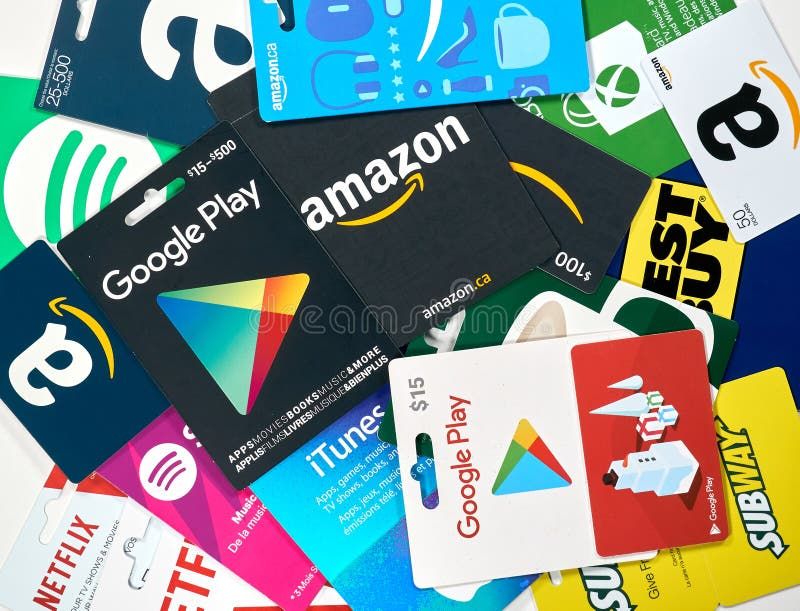
Gift cards are convenient for birthdays, shopping and digital purchases, but they are also a popular target for scammers. A gift card can look perfectly normal and still have been tampered with, compromised or emptied before the buyer gets a chance to use it.
Scammers can also use legitimate gift cards in another way: they convince victims to purchase the cards and then send them the card numbers or PINs. Once those details are exposed, the scammer may be able to spend the balance without having the physical card.
So, how can you tell if a gift card is safe to buy?
Follow PenTalk News
Get breaking news, important updates and the latest stories directly on your phone.
There is no single visual test that can guarantee a gift card is genuine. However, there are several warning signs you can check before paying for or accepting a gift card.
1. Check the Gift Card Packaging for Signs of Tampering
One of the first things to examine is the physical condition of the card and its packaging.
Look carefully for:
- A protective sticker that appears removed or replaced
- Scratches around the PIN area
- Damaged packaging
- A barcode that appears covered or replaced
- Glue, tape or other signs that the packaging has been opened
- Numbers or codes that appear exposed when they should be protected
The FTC specifically advises consumers to inspect gift cards before purchasing them and to avoid cards where protective stickers appear to have been removed or the card appears to have been tampered with.
If a card looks suspicious, do not simply assume that it is fine because it is hanging inside a reputable shop.
Take it to a cashier or store manager and ask them to check it.
2. Be Careful With Altered Barcodes
The barcode is another area scammers may target.
Visa has documented cases in which criminals physically manipulated gift cards, including replacing legitimate barcodes with fraudulent ones. In some cases, the altered card was returned to the store display so that an unsuspecting customer would purchase and load money onto it.
This means a card can potentially look genuine while the transaction is being redirected through a manipulated barcode.
If the barcode looks like it has been covered, replaced or unusually altered, choose another card.
Do not try to “fix” the card yourself.
3. Never Assume a Sealed Card Is Automatically Safe
A common mistake is thinking that a sealed package means the card cannot have been compromised.
Unfortunately, that is not always true.
Fraudsters can tamper with cards and packaging before the card reaches the customer. The FTC has warned that scammers sometimes obtain gift-card numbers and PINs before the legitimate buyer purchases the card.
Therefore, packaging condition is only one part of the check.
Where possible, buy from reputable retailers and follow the card issuer’s instructions for checking activation and balance.
4. Verify the Card Through the Official Issuer
If you have already purchased a gift card and are unsure whether it is genuine or has been activated correctly, use the issuer’s official website, app, telephone number or customer-support channel.
Do not rely solely on:
- A seller’s screenshot
- A WhatsApp message
- A social-media post
- A balance screenshot sent by another person
- A third-party website claiming to verify the card
The safest approach is to verify the card through the company that issued it.
Also be careful when searching for customer-support numbers online. Scammers can create fake websites or advertisements designed to impersonate legitimate companies.
5. Check the Balance — But Understand What It Proves
Checking a gift-card balance can help identify a problem, but it does not necessarily prove that a card was obtained legitimately.
For example, a card could have a balance and still have been obtained fraudulently.
Likewise, a card that shows no balance may have been compromised, incorrectly activated, already redeemed or affected by another problem.
If a card you have just purchased does not show the expected balance, contact the retailer and the gift-card issuer immediately.
Keep your receipt.
The FTC recommends keeping copies of both the gift card and the purchase receipt because they can be important when reporting a problem.
6. Be Suspicious of Gift Cards Being Sold Far Below Their Value
Suppose someone offers to sell you a $100 gift card for $50.
That does not automatically prove the card is fake. There can be legitimate reasons for discounts.
However, an unusually large discount should make you more cautious, particularly when the seller is unknown or is asking you to pay through an irreversible method.
Ask yourself:
- Why is the seller offering such a large discount?
- Can the card be verified through the original issuer?
- Does the seller have a legitimate business identity?
- Can you obtain a proper receipt?
- What happens if the card does not work?
If the seller refuses reasonable verification, walking away is safer than taking the risk.
7. Avoid Gift Cards From Unknown Online Sellers
Where you buy a gift card matters.
The FTC advises consumers to stick to stores they know and trust and warns that gift cards sold through online auction sites may be fake or stolen.
This is particularly important when buying cards through social media, messaging apps or informal marketplaces.
A seller may send you photographs of the front and back of a card, but photographs do not establish that the card is legitimate or that its balance will remain available after you pay.
8. Never Send the Gift Card Number and PIN to Someone Who Demands It as Payment
This is one of the most important warnings.
A scammer may contact you by phone, email, text message, WhatsApp or social media and claim that you need to make an urgent payment.
They may pretend to be:
- A government agency
- Your employer
- A bank or company
- A utility provider
- A police or law-enforcement officer
- A family member
- A technical-support representative
- A prize or lottery organiser
They then tell you to purchase a particular gift card and send them the card number and PIN.
According to the FTC, a real business or government agency will not tell you to buy a gift card to pay them.
The scam does not require the card itself.
Once the scammer obtains the card number and PIN, they may be able to use the funds.
Apple gives a similar warning for its gift cards and says users should not provide redemption codes to strangers.
9. Do Not Trust an Urgent Gift-Card Request
Pressure is another major warning sign.
A scammer may say:
“Buy the card now.”
“Send the code immediately.”
“Do not tell anyone.”
“You have only 10 minutes.”
“If you don’t pay today, your account will be closed.”
The purpose of the urgency is to prevent you from stopping and checking the story.
The FTC identifies urgency and pressure as common features of gift-card scams.
If someone is demanding immediate payment by gift card, stop the conversation and independently verify who contacted you.
10. Be Careful With Gift Cards Received as Payment
There is another scam that is particularly relevant when buying or selling gift cards online.
Someone may claim to have transferred money to you and send a screenshot showing that payment has been made.
Do not release the gift card code simply because you received a screenshot.
Check your actual bank account or payment account through the official app or website.
A screenshot is not proof that money has reached you.
If the money is not actually available in your account, do not send the gift card number, PIN or redemption code.
How to Check a Gift Card Before Giving It to Someone
If you are buying a gift card as a genuine gift, use this basic checklist:
Before paying:
- Inspect the packaging.
- Look for scratches, replaced stickers or exposed PINs.
- Check the barcode for unusual alterations.
- Buy from a reputable retailer.
- Ask the cashier to confirm activation where applicable.
- Keep your receipt.
- Keep a photo or record of the card for your records.
- Use the issuer’s official channel to check the card when appropriate.
Most importantly, do not send the card number or PIN to somebody simply because they claim to represent a company, government agency or another organisation.
What If You Already Bought a Gift Card?
Do not throw the card or receipt away.
Keep:
- The physical card
- The receipt
- The packaging
- Emails or messages relating to the transaction
- Any transaction reference numbers
Then contact the gift-card company using its official customer-service channel as soon as possible.
Tell the company that you believe the card has been involved in fraud and ask whether the transaction can be investigated or the funds recovered.
The FTC says consumers should report gift-card scams to the card company even if some time has passed, and should ask whether a refund is possible. Acting quickly can be important.
What If You Sent the Gift Card Code to a Scammer?
Act immediately.
Contact the gift-card issuer and explain that the card was used in a scam. Give them the card number, purchase information and receipt if requested.
You should also report the fraud to the appropriate authorities in your country.
Do not send additional money because someone promises to recover the gift-card balance for you.
That can lead to a second scam.
Fake Gift Card vs Gift Card Scam: What Is the Difference?
These terms are sometimes used interchangeably, but they are not exactly the same.
A fake or compromised gift card may involve a counterfeit card, altered barcode, stolen card details, tampering or a card whose balance has already been used.
A gift-card payment scam can involve a completely genuine gift card. The scammer simply tricks the victim into purchasing it and handing over the number and PIN.
That distinction is important because checking the physical appearance of a card will not protect you from every type of gift-card scam.
Final Safety Rule
Before buying a gift card, remember three things:
Inspect it. Verify it. Never give the PIN to a stranger.
If a person unexpectedly tells you to buy a gift card to pay a bill, fine, tax, debt, government charge, prize fee or emergency expense, stop and verify the request independently.
A genuine gift card can be perfectly legitimate. The danger often comes from how the card was obtained, whether it was tampered with, and who is asking for its numbers.
Gift cards are designed for gifting and purchases from the applicable retailer or service—not as a normal method of paying government agencies, businesses or strangers who contact you unexpectedly.