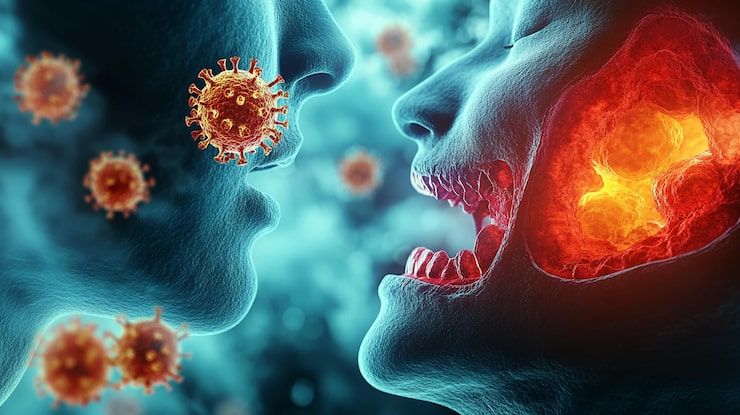
Diphtheria is a serious bacterial infection that can affect the throat, nose and skin. The disease can become life-threatening when its toxin causes breathing problems or damages vital organs.
The infection is caused by certain toxin-producing strains of the bacterium Corynebacterium diphtheriae. It is preventable through vaccination, while early diagnosis and treatment can significantly reduce the risk of severe complications.
What causes diphtheria?
Diphtheria is caused by toxin-producing strains of Corynebacterium diphtheriae. The bacteria can live in the nose and throat of an infected person and spread to others.
Follow PenTalk News
Get breaking news, important updates and the latest stories directly on your phone.
The disease is mainly transmitted through respiratory droplets released when an infected person coughs or sneezes. Close contact with an infected person can therefore increase the risk of infection.
Diphtheria can also spread through direct contact with infected skin sores or lesions. Less commonly, transmission can occur through objects contaminated with secretions from an infected person.
Poor hygiene and overcrowded living conditions can make the spread of respiratory infections easier, particularly where vaccination coverage is low.
Symptoms of diphtheria
Symptoms usually begin within a few days after infection, although the timing can vary.
Common symptoms include:
- Sore throat
- Fever
- Weakness and tiredness
- Swollen glands in the neck
- Difficulty swallowing
- Difficulty breathing
- A thick grey or white membrane in the throat or tonsils
- Neck swelling in severe cases
Some forms of diphtheria affect the skin and can cause sores or ulcers.
The toxin produced by the bacteria can also damage the heart and nervous system. Severe cases may result in complications such as myocarditis, nerve damage, paralysis, airway obstruction and death.
Anyone experiencing serious symptoms, particularly difficulty breathing or swallowing and significant neck swelling, should seek urgent medical attention.
How can diphtheria be prevented?
1. Get vaccinated
Vaccination is the most effective way to prevent diphtheria.
Diphtheria vaccination is normally given as part of combination vaccines during childhood. People should follow the vaccination schedule recommended by health authorities and ensure that children receive all required doses.
Vaccination not only protects individuals but also helps reduce the spread of the disease within communities.
2. Avoid close contact with infected people
People suspected or confirmed to have diphtheria should follow medical and public-health advice to reduce the risk of transmitting the infection to others.
Avoid close contact with an infected person’s respiratory secretions or skin lesions.
3. Practise good respiratory hygiene
Cover your mouth and nose when coughing or sneezing, preferably with a tissue or your elbow rather than your hands.
Regular handwashing with soap and running water can also help reduce the spread of infectious diseases.
4. Do not share personal items
Avoid sharing items that may come into contact with saliva or respiratory secretions, particularly with someone who is sick.
Healthcare and public-health authorities may also recommend preventive antibiotics or vaccination for people who have been exposed to a confirmed case.
5. Seek medical attention early
Diphtheria can become severe quickly, particularly when the bacteria produce a toxin.
People who develop symptoms consistent with diphtheria should seek medical attention promptly rather than relying on home remedies or unverified treatments.
Doctors may need to perform laboratory tests to confirm the infection. When diphtheria is suspected, treatment can include antibiotics and diphtheria antitoxin, depending on the clinical circumstances.
Food safety and diphtheria
Diphtheria should not be confused with common foodborne illnesses.
The main route of transmission is from infected people, particularly through respiratory droplets and contact with infected lesions. Food is not the usual route of transmission.
Nevertheless, good food hygiene remains important for preventing other infections. Fresh fruits and vegetables should be washed thoroughly under running water before eating or preparing them. Firm produce such as melons can be scrubbed with a clean produce brush before cutting.
Take diphtheria seriously
Diphtheria is a vaccine-preventable disease, but it can cause severe illness and death when diagnosis and treatment are delayed.
Vaccination, good hygiene, avoiding exposure to infected individuals and seeking medical care promptly when symptoms appear are important measures for protecting individuals and communities.
People should also rely on information from recognised health authorities and qualified healthcare professionals.
Source: CDC
Gathered by: Lawrence Abiona