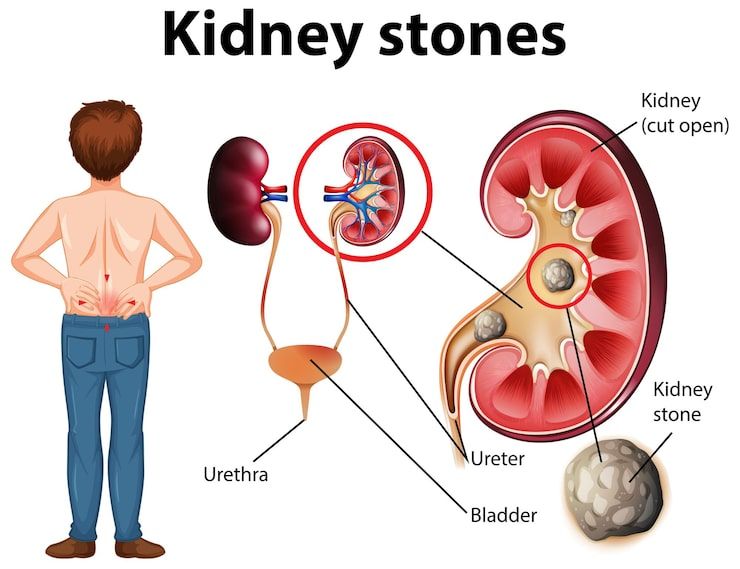
Kidney stones are hard, pebble-like deposits that form when certain minerals and salts become highly concentrated in the urine. They can develop in one or both kidneys and may cause severe pain when they move into the urinary tract.
Although diet can influence the risk of kidney stones, there is no universal list of fruits that everyone with kidney stones must avoid. Medical guidance recommends tailoring dietary changes to the type of stone and the factors that caused it.
What causes kidney stones?
Kidney stones develop when the urine contains high levels of substances that can form crystals, including calcium, oxalate and uric acid. Not drinking enough fluid can make the urine more concentrated, increasing the opportunity for these substances to form stones.
Follow PenTalk News
Get breaking news, important updates and the latest stories directly on your phone.
There are several types of kidney stones. Calcium stones are the most common, while others include uric acid, struvite and cystine stones. The appropriate prevention strategy can therefore differ from one person to another.
Dehydration, a high-sodium diet, certain eating patterns, some medical conditions, family history, obesity and some medicines or supplements can increase the risk.
Drink enough water
For most people who are trying to prevent kidney stones, adequate fluid intake is one of the most important steps.
Drinking enough water helps dilute the urine and reduces the concentration of minerals that can form crystals. The amount a person needs varies according to factors such as body size, activity level, climate and medical conditions. People living in hot climates or who sweat heavily may require more fluid.
People with kidney failure or certain other medical conditions should not simply increase their fluid intake without discussing it with a healthcare professional.
Don’t automatically avoid calcium
One common misconception is that people who develop calcium stones should stop eating calcium-rich foods.
That is not generally recommended.
According to the National Institute of Diabetes and Digestive and Kidney Diseases (NIDDK), getting an appropriate amount of calcium from food can actually help prevent calcium oxalate stones. Calcium can bind with oxalate in the digestive tract, reducing the amount of oxalate that reaches the kidneys.
The National Kidney Foundation similarly advises people with calcium stones not to follow an unnecessarily low-calcium diet.
Calcium supplements, however, may affect stone risk in some people, so anyone considering them should discuss the appropriate dose with a healthcare professional.
Watch your salt intake
Eating too much sodium can increase the amount of calcium released into the urine, which can raise the risk of calcium-containing kidney stones.
NIDDK recommends that people with calcium oxalate or calcium phosphate stones discuss their sodium intake with a healthcare professional. Its guidance uses less than 2,300 mg of sodium per day as a general target for adults.
Processed foods, instant meals, canned foods, fast foods, salty snacks, processed meats and some seasonings can contain significant amounts of sodium.
What about fruits?
Fruits are generally an important part of a healthy diet and should not automatically be eliminated because someone has kidney stones.
The National Kidney Foundation recommends eating plenty of fruits and vegetables because they provide nutrients and compounds that may help reduce stone risk.
Some citrus fruits and drinks may also be useful because they contain citrate, a substance that can help prevent crystals from developing into stones. NIDDK notes that citrus drinks such as lemonade and orange juice may provide this benefit.
Therefore, claims that fruits such as pomegranate, guava, strawberries or blueberries inevitably cause kidney stones are misleading when presented as a general rule.
Some fruits and other plant foods contain oxalate, but that does not mean everyone with kidney stones needs to eliminate them. The relevance of oxalate depends on the person’s stone type and urinary chemistry.
When should oxalate-rich foods be limited?
People who form calcium oxalate stones and have elevated urinary oxalate may be advised to reduce their intake of foods particularly high in oxalate.
Examples include spinach, rhubarb, nuts and peanuts, according to NIDDK. The National Kidney Foundation also identifies foods such as Swiss chard, beets and almonds among foods that can be particularly high in oxalate.
However, a very restrictive low-oxalate diet is not appropriate for everyone. The National Kidney Foundation notes that getting adequate calcium with meals can help reduce oxalate absorption and that dietary recommendations should be based on an individual’s circumstances.
Reduce excessive animal protein
The amount and type of protein in the diet can also matter.
People who develop certain types of kidney stones, particularly uric acid stones, may be advised to reduce excessive consumption of animal protein. Meat, organ meats, fish and shellfish can contribute to higher uric acid levels in urine.
This does not mean that everyone with kidney stones must stop eating meat. Dietary recommendations should be based on the type of stone and the individual’s medical assessment.
Symptoms that should not be ignored
Kidney stones can cause:
- Severe pain in the back or side
- Pain that moves toward the lower abdomen or groin
- Pain or burning during urination
- Blood in the urine
- Frequent or urgent urination
- Nausea or vomiting
Fever and chills can occur when an infection is present and require prompt medical attention.
Anyone experiencing severe pain, difficulty passing urine, blood in the urine, or pain accompanied by fever or chills should seek medical care rather than relying on dietary remedies.
The bottom line
There is no scientifically sound “five fruits to avoid” list that applies to every kidney-stone patient.
The most important prevention measures are generally adequate hydration, appropriate dietary calcium, limiting excessive sodium and making other dietary changes based on the type of stone a person forms.
If someone has recurrent kidney stones, it is important to find out what type of stone they have and why they are forming. A healthcare professional can use urine and blood tests, imaging and, when available, analysis of a passed stone to help determine the appropriate prevention strategy.
Sources: U.S. National Institute of Diabetes and Digestive and Kidney Diseases (NIDDK); National Kidney Foundation; Mayo Clinic. Research by Lawrence Abiona