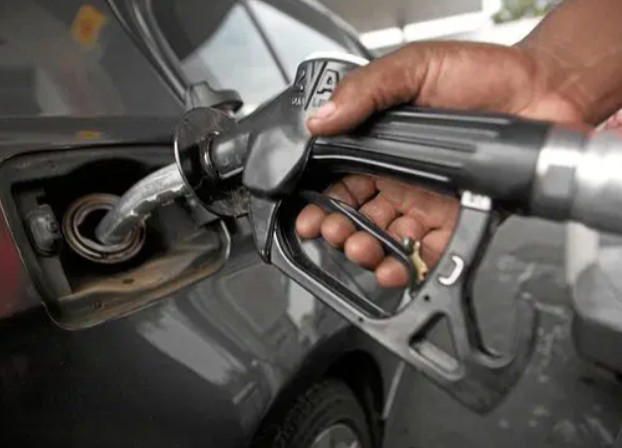
Petrol prices have continued to climb in major cities across Nigeria, with Premium Motor Spirit (PMS) currently retailing for between ₦1,400 and ₦1,450 per litre at several filling stations.
Most filling stations in Lagos were selling petrol for between ₦1,400 and ₦1,430 per litre on Sunday, while MRS outlets offered the product at ₦1,395 per litre.
In Abuja, motorists were paying between ₦1,400 and ₦1,450 per litre, depending on the filling station.
The latest adjustment adds to a series of petrol price increases recorded in recent months. Pump prices, which stood at about ₦830 per litre before the Middle East crisis earlier this year, have climbed beyond ₦1,300 in many parts of the country.
Rising crude oil prices put pressure on petrol costs
The latest increase comes amid a sharp rise in international crude oil prices.
Brent crude moved above the $100 per barrel mark and reached about $107 per barrel on Thursday. Data from Oilprice.com showed that Brent was trading at $104.61 per barrel on Sunday, representing an increase of more than 50% from its level before tensions escalated in the Middle East.
Before the crisis began on February 28, international crude prices were below $69 per barrel.
However, disruptions to global supply chains and fears of reduced oil shipments through the Strait of Hormuz have pushed crude prices significantly higher, putting additional pressure on energy costs worldwide.
The increase has also raised the cost of crude feedstock for local refiners and fuel importers, contributing to the latest adjustments in petrol prices across Nigeria.
Nigerians brace for possible ₦1,500 petrol
The latest increase has sparked concern among motorists and consumers, with many worried that petrol could reach ₦1,500 per litre in the coming days.
Reacting on X, user @TheoAbuAgada said the ₦85 increase in Dangote Refinery’s gantry price could translate into higher pump prices.
“Dangote Petroleum Refinery has increased its PMS gantry price by N85 per litre, from N1,265 to N1,350. What this means is that from Monday we will be buying fuel at N1,500 per litre. I have never seen anything like this. This is absolute madness.”
Another X user, @Danilo___TV, expressed concern over how Nigerians have gradually become accustomed to rising petrol prices.
“Petrol is now N1,430 per litre in Abuja and somehow it feels like nobody is even bothered. We have become so used to things getting worse that the fuel price heading to N1,500 per litre doesn’t shock us anymore?”
Similarly, @azeezibrahim3 said the prospect of buying petrol at ₦1,500 per litre would put further pressure on households.
“No matter what grammar someone wants to tell me, buying fuel for ₦1,500 is too much for the common man. By Monday, transport fares will go up, and companies will not increase salaries. God abeg.”
@Sarkinijebu also questioned the affordability of petrol for low-income Nigerians, saying even ₦900 per litre was already too expensive.
“Even 900 naira a litre is too much ..at 1500 per litre Nigerians are spending a whooping 2 percent of their minimum wage to buy a litre of fuel and remember almost 70 percent of Nigerians don’t even earn this 70k.”
Another user, @oforozor, linked the rising petrol price to the political debate ahead of the next election, saying the development could increase public dissatisfaction with the Tinubu administration.
What Dangote Refinery said about petrol pricing
In July, Dangote Petroleum Refinery and Petrochemicals explained that its petrol pricing model is not directly linked to daily movements in international crude oil prices.
The refinery said this was because crude oil used for production is often purchased weeks or months before processing under commercial agreements that are largely based on monthly average prices.
As a result, changes in global crude prices may not immediately translate into corresponding changes in the price of refined petroleum products.
NMDPRA explains petrol price volatility
The Nigerian Midstream and Downstream Petroleum Regulatory Authority (NMDPRA) has attributed fluctuations in petrol prices to several factors, including the cost of crude oil, logistics, transportation and the limited number of refining sources available to the domestic market.
NMDPRA’s Head of Public Affairs, George Ene-Ita, recently stated that petrol pricing in Nigeria is now fully deregulated and determined by market forces.
According to him, the cost of crude feedstock, exchange rate movements and the gap between the time crude is purchased and when it is processed can all influence the final pump price.
With international crude prices remaining elevated, consumers are now watching closely to see whether petrol prices will cross the ₦1,500-per-litre threshold in the coming days.