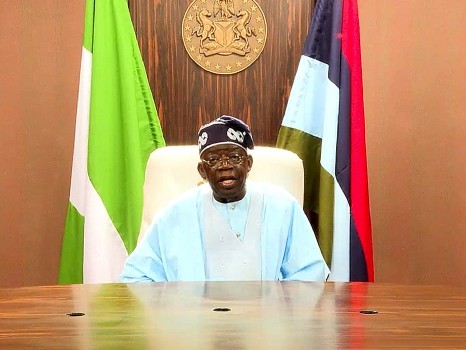
President Bola Ahmed Tinubu says his administration has moved past the initial stage of implementing major economic reforms and is now concentrating on creating broader prosperity and improving living conditions for Nigerians.
Tinubu made the declaration in his 66th Independence Day address to the nation on Thursday, outlining several areas where his administration says progress has been recorded and highlighting policies expected to shape the next phase of his government.
The President identified 10 major areas, covering economic growth, the cost of living, employment, social protection, education, security and access to consumer credit.
Follow PenTalk News
Get breaking news, important updates and the latest stories directly on your phone.
1. From Economic Reforms to Shared Prosperity
Tinubu said the government had completed what he described as the initial and difficult phase of economic reforms.
According to him, the administration is now shifting its attention from repairing longstanding weaknesses in the economy to ensuring that the benefits of economic growth reach more Nigerians.
He said the earlier reforms were necessary to address structural problems that had affected the country’s economic performance for years and to establish the conditions for sustainable growth.
2. Economic Growth and Improving Indicators
The President said Nigeria’s economy recorded growth of more than four per cent in 2026, with both the oil and non-oil sectors contributing to the expansion.
He also said the country’s foreign reserves had been rebuilt, while inflation had fallen from its previous peak and conditions in the foreign exchange market had improved.
Tinubu further disclosed that non-oil export earnings exceeded $6 billion in 2025, describing the development as a record level.
3. Measures to Reduce the Cost of Living
Reducing the financial pressure on households, Tinubu said, remains one of the administration’s major priorities.
He explained that the government was working to lower production and transportation costs through measures including mechanised irrigation, increased dry-season farming and better access to agricultural inputs.
The President also pointed to investments in roads, railways, ports and electricity infrastructure, saying the projects were intended to reduce the cost of doing business and ease economic pressure on households.
4. Creating Opportunities for Young Nigerians
Tinubu said Nigeria’s large youth population would be treated as an important part of the country’s economic strategy.
He said the administration was placing greater emphasis on job creation, entrepreneurship and industrial development to turn the country’s youthful population into a productive economic force.
According to him, areas such as gas-based industries, factory revival, digital connectivity and skills development would play a role in expanding opportunities for young Nigerians.
5. Strengthening Social Protection
The President said the government was updating the National Social Register to improve the identification and targeting of Nigerians most in need of direct government assistance.
He added that the administration remained committed to the regular payment of salaries and pensions, describing this as part of its efforts to protect workers and vulnerable households.
6. Expanding Consumer Credit Through CREDICORP
Tinubu also highlighted the Nigerian Consumer Credit Corporation, known as CREDICORP, as part of the government’s strategy to expand access to consumer financing.
He said the programme would make it easier for eligible working Nigerians to acquire assets such as vehicles, solar energy systems and digital devices without having to save for many years before they can afford them.
7. Supporting Students Through NELFUND
The President said the Nigerian Education Loan Fund had become an important mechanism for helping students from low-income families access higher education.
He said the initiative was designed to reduce financial barriers and give more young Nigerians the opportunity to pursue tertiary education.
Tinubu described education financing as an important component of the administration’s broader effort to expand access to higher education.
8. Security and Protection of National Resources
Tinubu listed the reported reduction in oil theft among the achievements of his administration.
He praised members of the Armed Forces and other security agencies for their efforts to maintain national security and protect the country’s natural resources.
The President said protecting critical national assets remained important to the country’s economic stability and development.
9. Tinubu Defends Fuel Subsidy Removal and Other Reforms
The President again defended the government’s decision to remove the fuel subsidy and introduce wider economic reforms.
He acknowledged that the measures had been difficult but argued that they were necessary to address problems that had persisted within the Nigerian economy.
Tinubu compared the country’s previous approach to using “morphine” to temporarily mask serious economic problems rather than dealing with their underlying causes.
He maintained that the reforms were intended to correct structural weaknesses and place the economy on a more sustainable path.
10. Call for Unity and Patience
Tinubu called on Nigerians to remain united, disciplined and focused as the country moves into the next phase of his administration’s economic programme.
He acknowledged the sacrifices associated with the reform period but argued that they were necessary to establish a stronger foundation for the future.
The President urged citizens to remain committed to building a more prosperous and resilient Nigeria, saying the ultimate objective of the government’s policies was to create wider economic opportunities and improve the welfare of Nigerians.