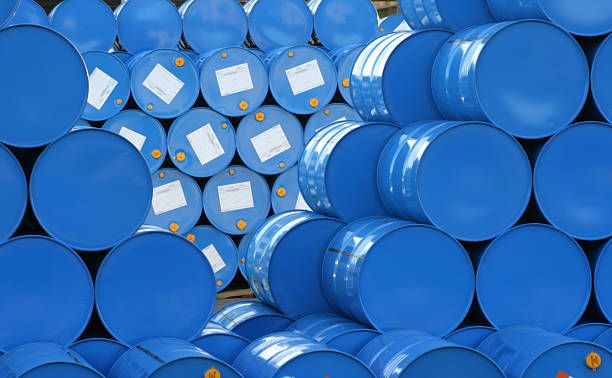
The Group of Seven (G7) countries have agreed to coordinate the release of 100 million barrels of oil over a four-month period as fuel prices continue to climb in the United States and other markets.
A significant portion of the supply will consist of diesel, with a substantial release expected within the first 20 days of the programme.
The decision comes amid growing pressure on US President Donald Trump and his Republican Party to tackle rising energy costs ahead of the November midterm elections.
Follow PenTalk News
Get breaking news, important updates and the latest stories directly on your phone.
Trump said the diesel release would begin immediately after he spoke with French President Emmanuel Macron, whose country currently holds the rotating G7 presidency.
The International Energy Agency (IEA) is expected to coordinate the release involving G7 countries and partner nations. The move followed discussions among G7 leaders over fuel availability and rising petroleum prices during the ongoing war involving Iran.
G7 Moves to Boost Oil and Diesel Supply
According to the French Embassy in the United States, Trump spoke with Macron overnight about rising fuel prices and the availability of petroleum products.
Macron later convened a virtual meeting of G7 leaders to consider measures aimed at increasing supplies.
France subsequently confirmed the agreement, saying the participating countries would work through the IEA to release 100 million barrels over four months.
The plan includes bringing forward a substantial amount of diesel supplies during the first 20 days, with G7 members and partner countries participating in the effort.
Trump also announced the development on social media on Friday, October 2, saying Europe had agreed to release a large quantity of its diesel reserves and that the process would start immediately.
The agreement comes as fuel prices have increased in the US and other countries during the eight-month conflict involving Iran. Trump has argued that the economic costs of the war are justified by the need to prevent Iran from acquiring nuclear weapons.
The US president has also maintained that energy prices will eventually decline once the conflict ends, although there is currently no clear indication of when the war will come to an end.
US Diesel Prices Reach Record Levels
Diesel prices in the United States have risen sharply in recent months.
The national average price for a gallon of diesel stood at $6.37 on Friday, according to the American Automobile Association (AAA). The price reached a record $6.52 on September 22.
The increase in fuel costs has added to the economic pressure facing the Trump administration ahead of the November midterm elections.
The Iran conflict, alongside Trump’s trade policies, has contributed to concerns over higher energy and consumer prices.
Poll Highlights Public Concern Over Prices
A recent AP-NORC poll found that a majority of US adults attributed higher prices to Trump, while his approval rating on his handling of the economy had fallen to a new low.
The Associated Press reported that Trump has expressed frustration over what he considers a gap between the economic achievements claimed by his administration and the way Americans perceive its performance.
Trump gave himself an A-plus for his economic record during the week but acknowledged that his administration had been less successful in communicating its achievements to the public.
The G7 agreement therefore comes at a time when the Trump administration is facing continued pressure over fuel costs, inflation concerns and the broader economic consequences of the conflict involving Iran and ongoing trade disputes.
Source: Outlook