Nigerian billionaire Aliko Dangote’s refinery has signed a major fuel supply agreement with Cameroon’s National Refining Company (SONARA) and Nigerian petroleum company MRS Oil & Gas to strengthen the country’s petroleum supply and reduce importation costs.
The agreement, signed in Lagos on October 22, 2026, is expected to see Dangote Petroleum Refinery supply approximately 50 per cent of Cameroon’s fuel requirements over a 30-month period, with MRS responsible for transportation and logistics.
The partnership comes as Cameroon continues to depend on imported refined petroleum products following the shutdown of its only refinery after a devastating fire in 2019.
Follow PenTalk News
Get breaking news, important updates and the latest stories directly on your phone.
According to Reuters, SONARA announced the agreement on Friday, October 30, describing it as an arrangement designed to ensure a stable and sustainable supply of petroleum products amid rising international energy costs.
How the Dangote-Cameroon Fuel Agreement Will Work
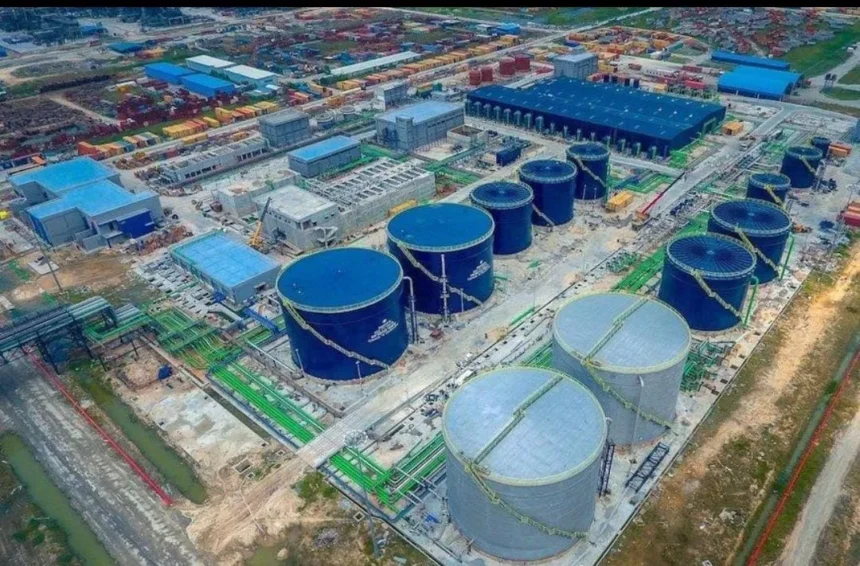
Under the arrangement, Dangote Petroleum Refinery in Lekki, Lagos State, will supply refined petroleum products to Cameroon.
MRS Oil & Gas will handle the transportation of the products, including securing cargoes and delivering them to SONARA’s facilities in Limbe, Cameroon.
SONARA will then oversee their integration into the country’s domestic petroleum distribution system.
The agreement is expected to cover products including petrol, diesel and aviation fuel.
By sourcing a significant portion of its fuel requirements from Nigeria, Cameroon hopes to reduce transportation expenses and minimise the additional costs associated with relying on multiple international intermediaries.
The arrangement also gives Cameroon the flexibility to obtain the remaining 50 per cent of its petroleum requirements from other suppliers.
Cameroon Seeks Alternative After 2019 Refinery Fire
Cameroon’s decision to partner with Dangote comes against the background of challenges facing its domestic refining industry.
In May 2019, a major fire damaged SONARA’s refinery in Limbe, forcing the facility to suspend refining operations.
Since then, the country has relied entirely on imported refined petroleum products to meet domestic demand.
The situation has exposed Cameroon to international supply disruptions, rising shipping expenses and fluctuations in petroleum prices.
Data reported by Cameroonian business publication EcoMatin showed that the country imported approximately 2.02 million tonnes of refined petroleum products in 2025, with an import bill estimated at 788.4 billion CFA francs.
The new agreement is therefore expected to strengthen supply security while giving the government greater control over procurement and transportation costs.
What the Deal Means for Dangote Refinery
The agreement represents another expansion of Dangote Group’s influence in Africa’s petroleum industry.
With its refinery located in Lekki, Nigeria, the company is strategically positioned to supply neighbouring and regional markets seeking alternatives to longer international supply routes.
The partnership also strengthens Nigeria’s position as a potential supplier of refined petroleum products to other African countries.
For MRS, its involvement in the agreement creates an opportunity to expand its role in petroleum transportation and distribution across the region.
However, the actual impact of the partnership will depend on consistent deliveries, competitive pricing and the ability of the companies involved to meet the agreed supply requirements.
The agreement does not automatically guarantee an immediate reduction in fuel prices in Cameroon.
Its longer-term impact will become clearer as deliveries begin and the government evaluates the savings achieved through the new supply arrangement.